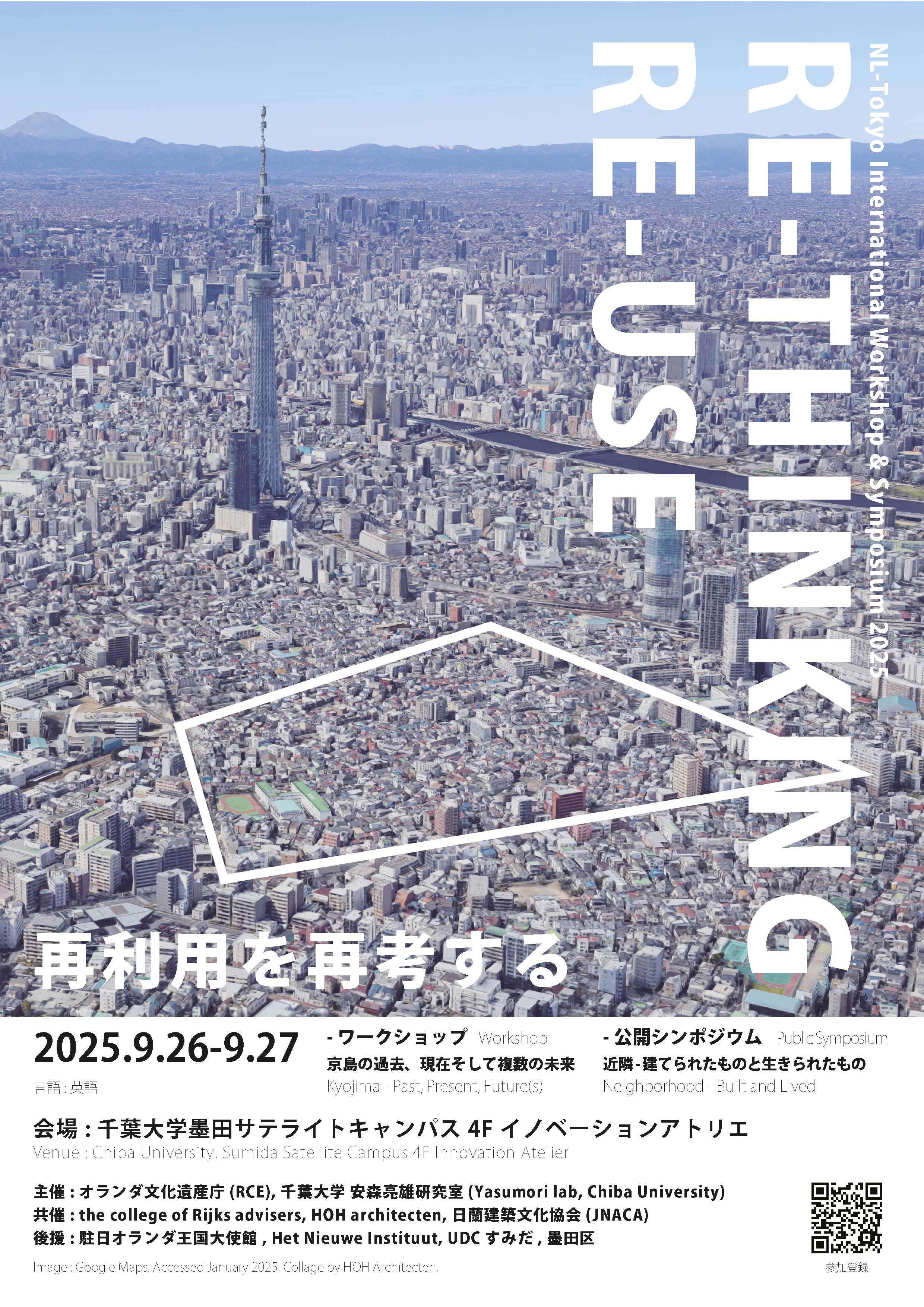
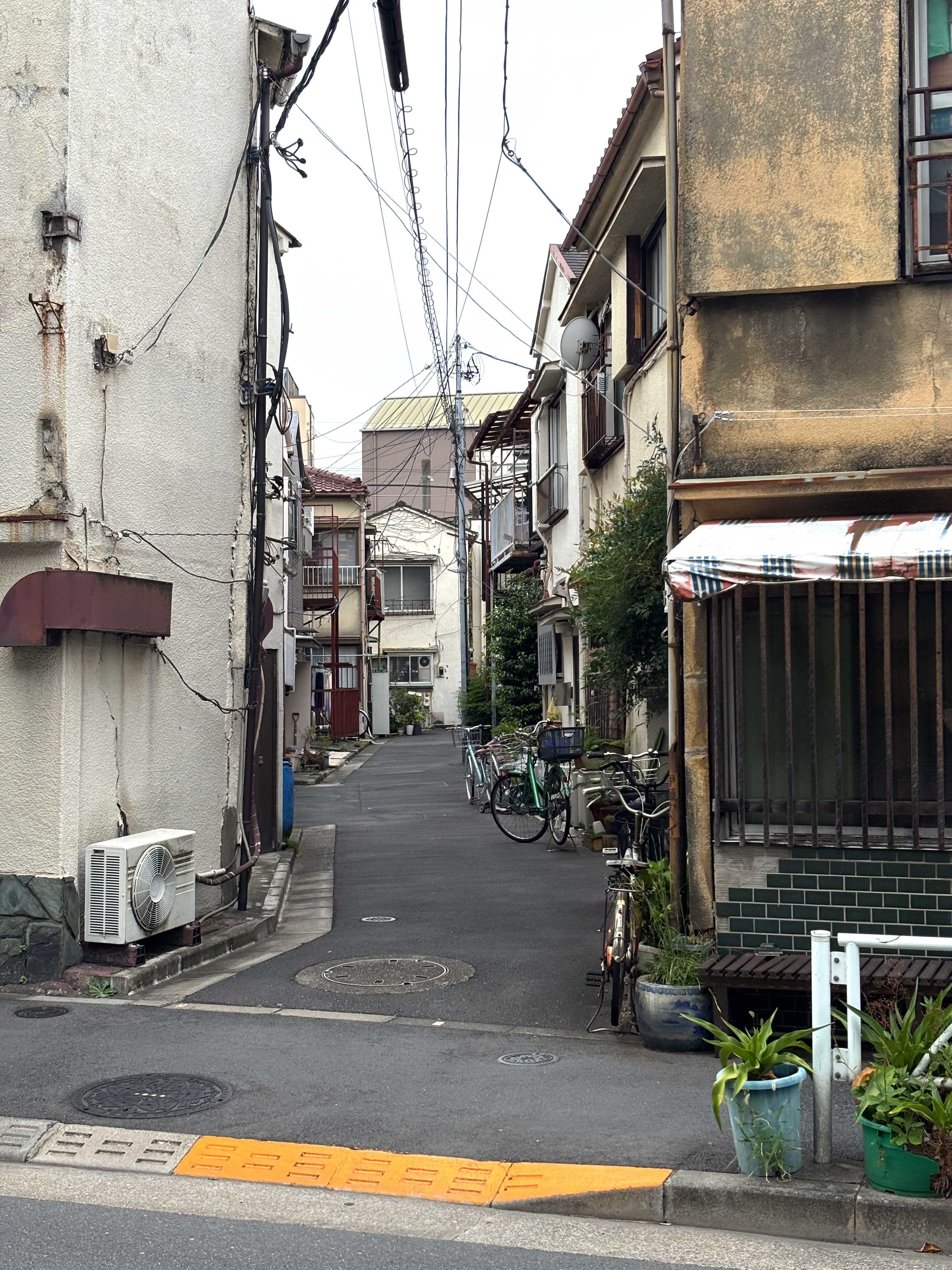
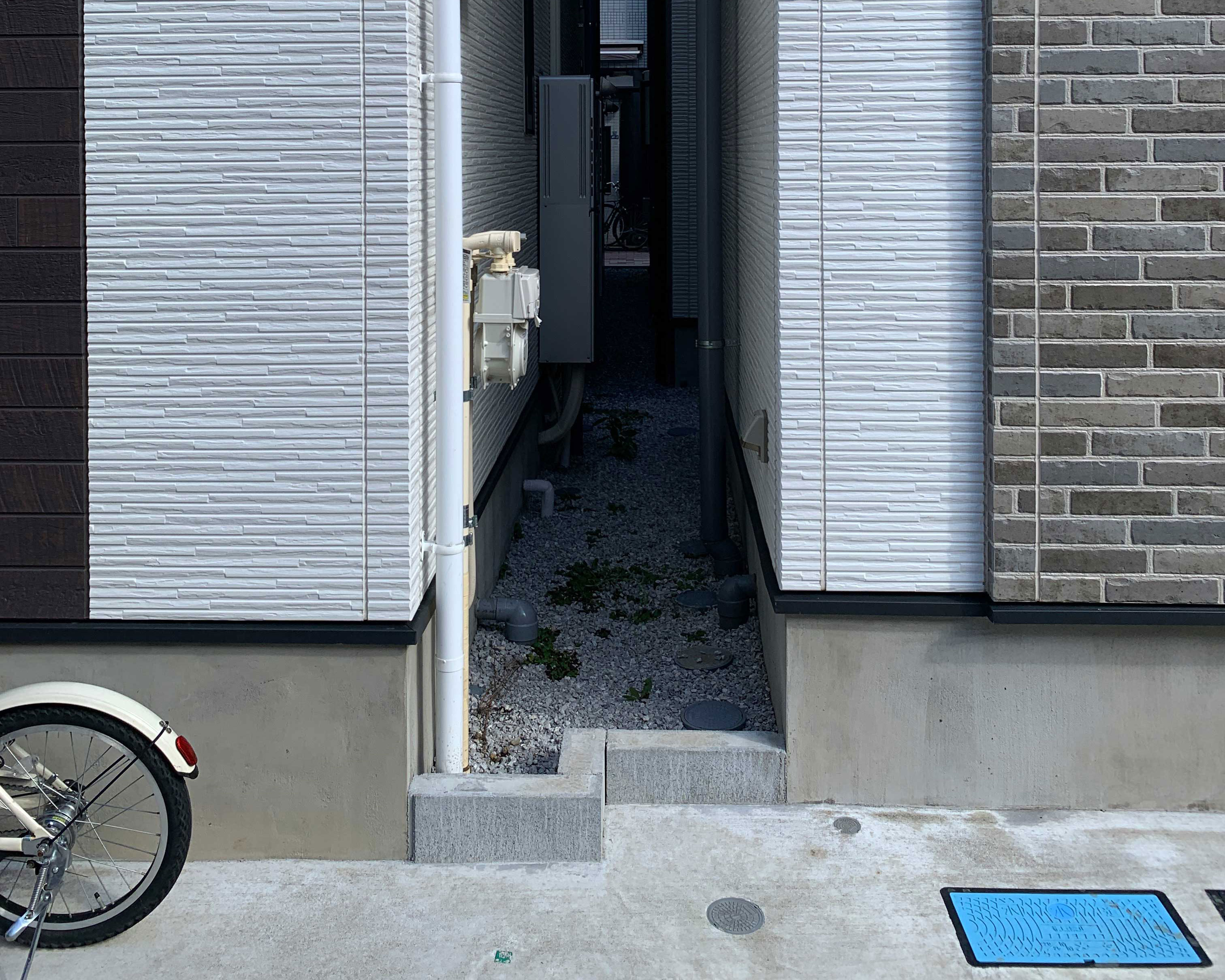
Re-Thinking Re-Use is a dialogue between Dutch and Japanese (building) cultures, on the continuous transformation of the built environment. By learning from each other’s traditions and views on old, new and change, the project seeks a new, guiding balance.
The project embraces the reuse of existing buildings, structures and materials, fostering an exchange between past and present generations of architects and builders, between innovation and craftsmanship. At a time when the construction sector faces the ecological impact of its activities, Re-Thinking Re-Use offers, through this lens of continuity and evolution within the built environment, a sustainable perspective.
The foundation of the project is an investigation into what we value, and how those values are reflected in the built environment, across both building cultures. Because what we value is what we preserve, care for, reuse and pass on to future generations.
How does the Value of Change emerge in the controversy around the demolition of a building in Tokyo and the construction of a new one in Amsterdam? What do the oldest buildings in both cultures reveal about the Value of Time? How does the Japanese tradition of reusing timber structures reflect the Value of Material? And how does the Dutch practice of reusing buildings reveal the Value of Space?
How does the Social Value of the built environment become visible in public protests in both countries? If we follow the money, what does the Financial Value of the built environment reveal? What do the biographies of two iconic houses tell us about the Value of Design? And how do we recognise the Value of Craft in the way we repair clothing, ceramics and buildings?
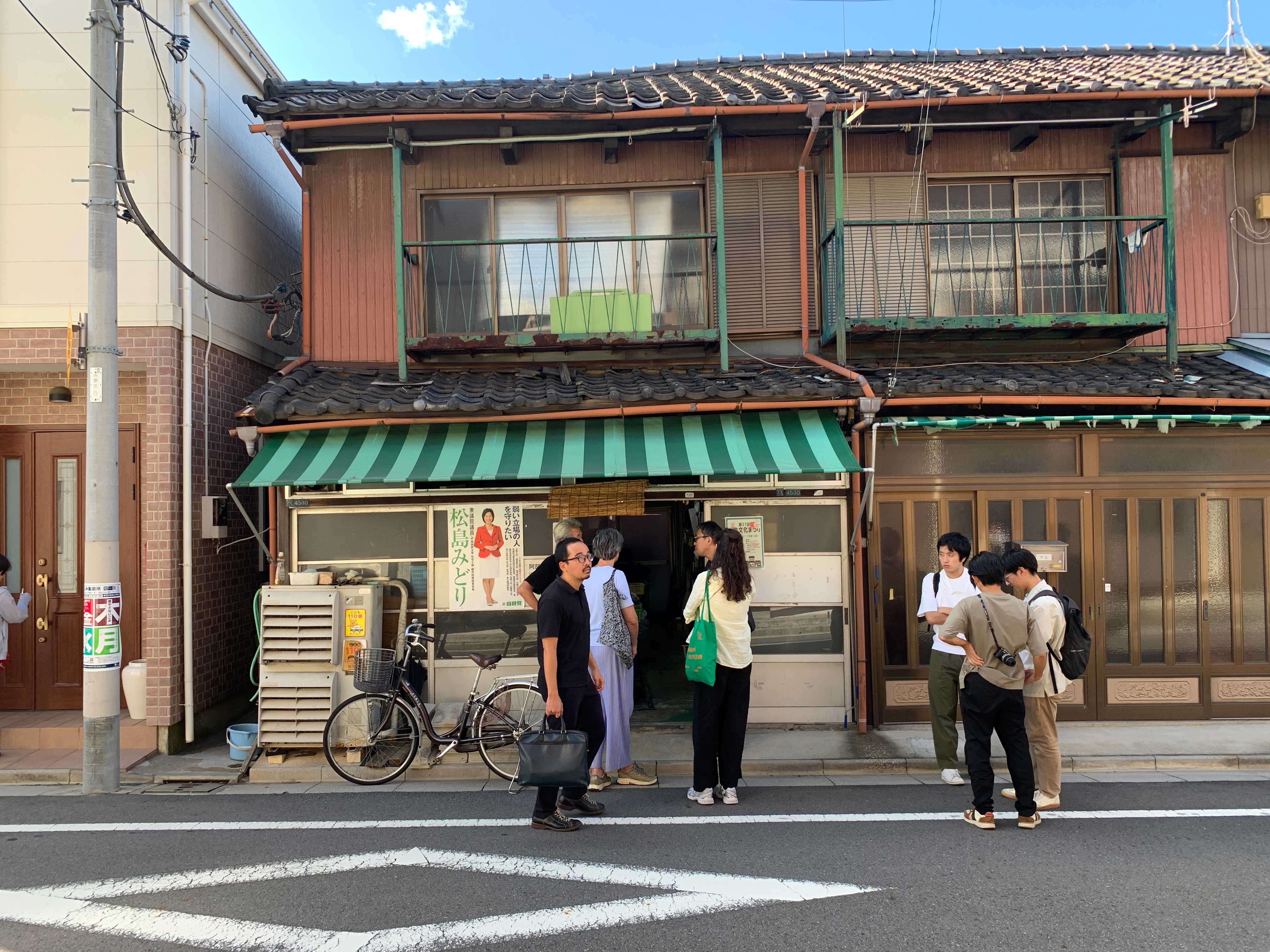
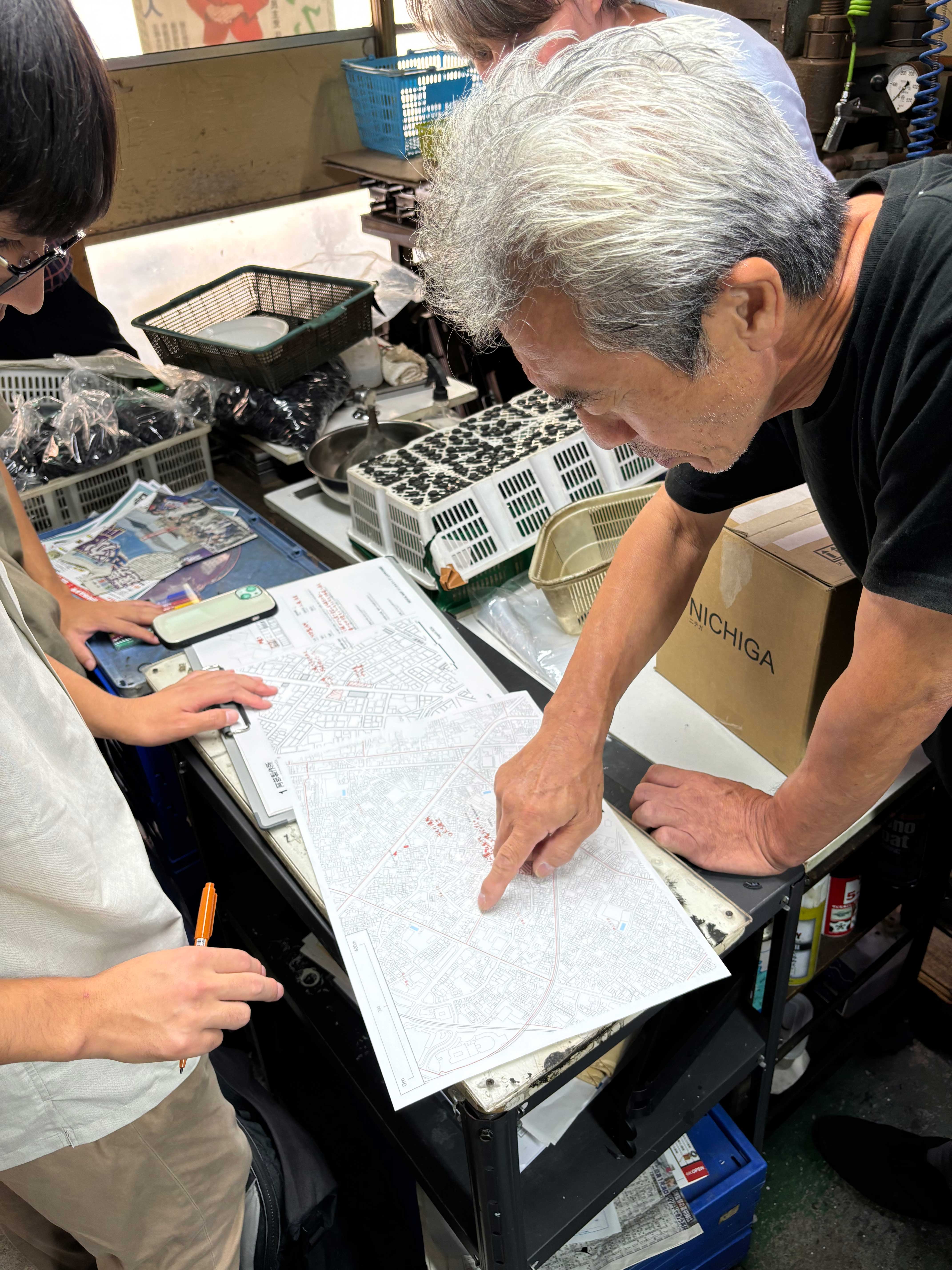
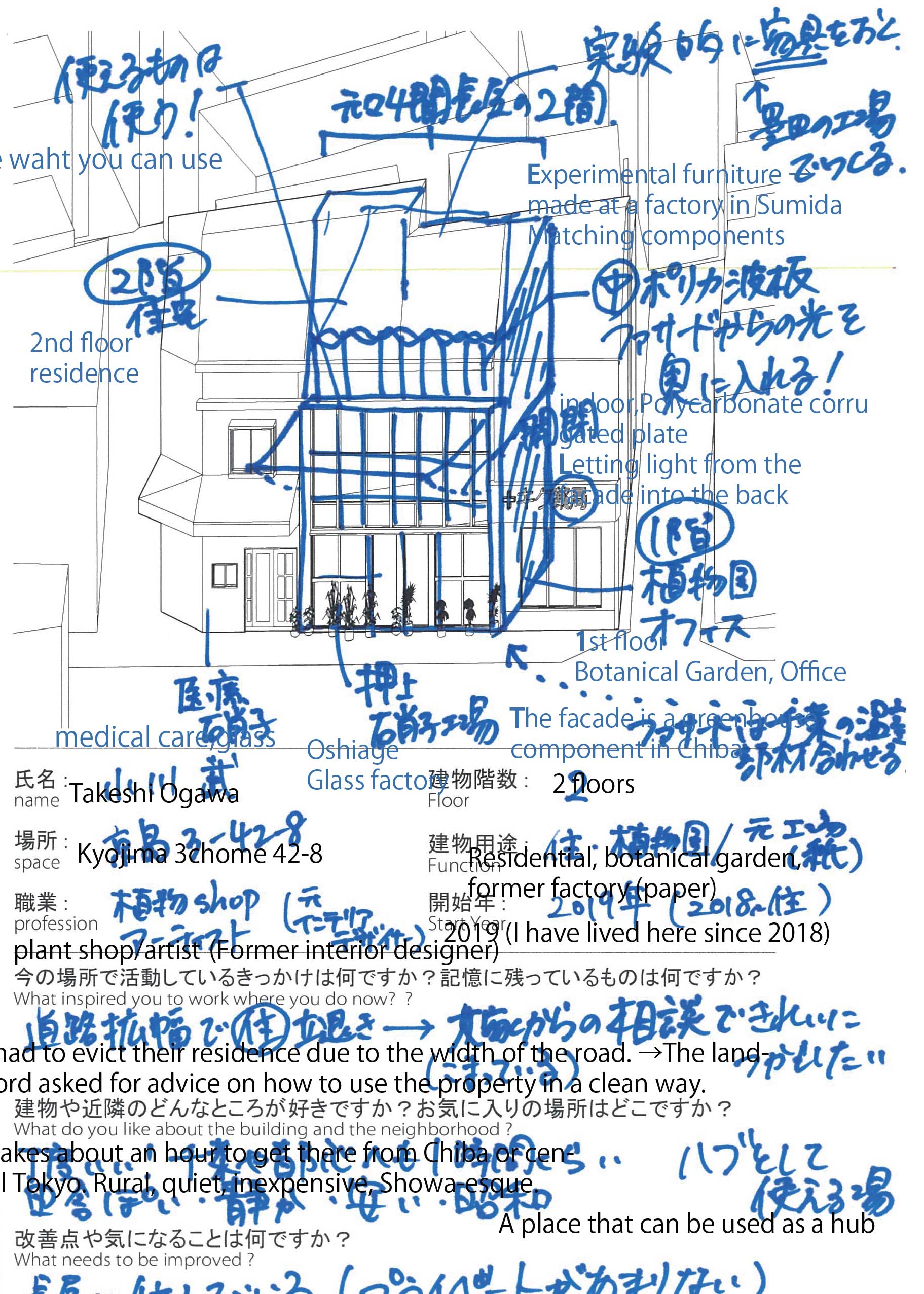
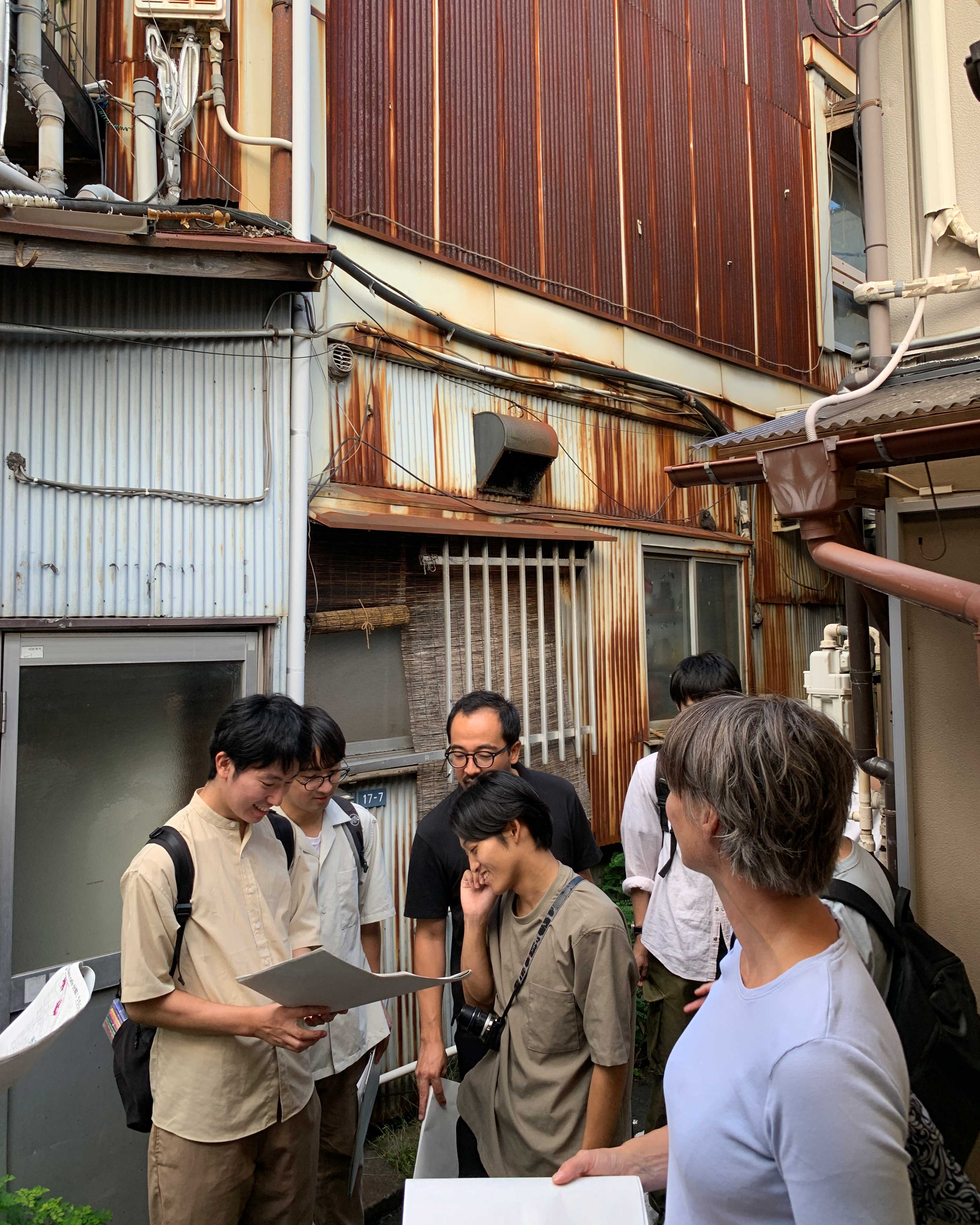
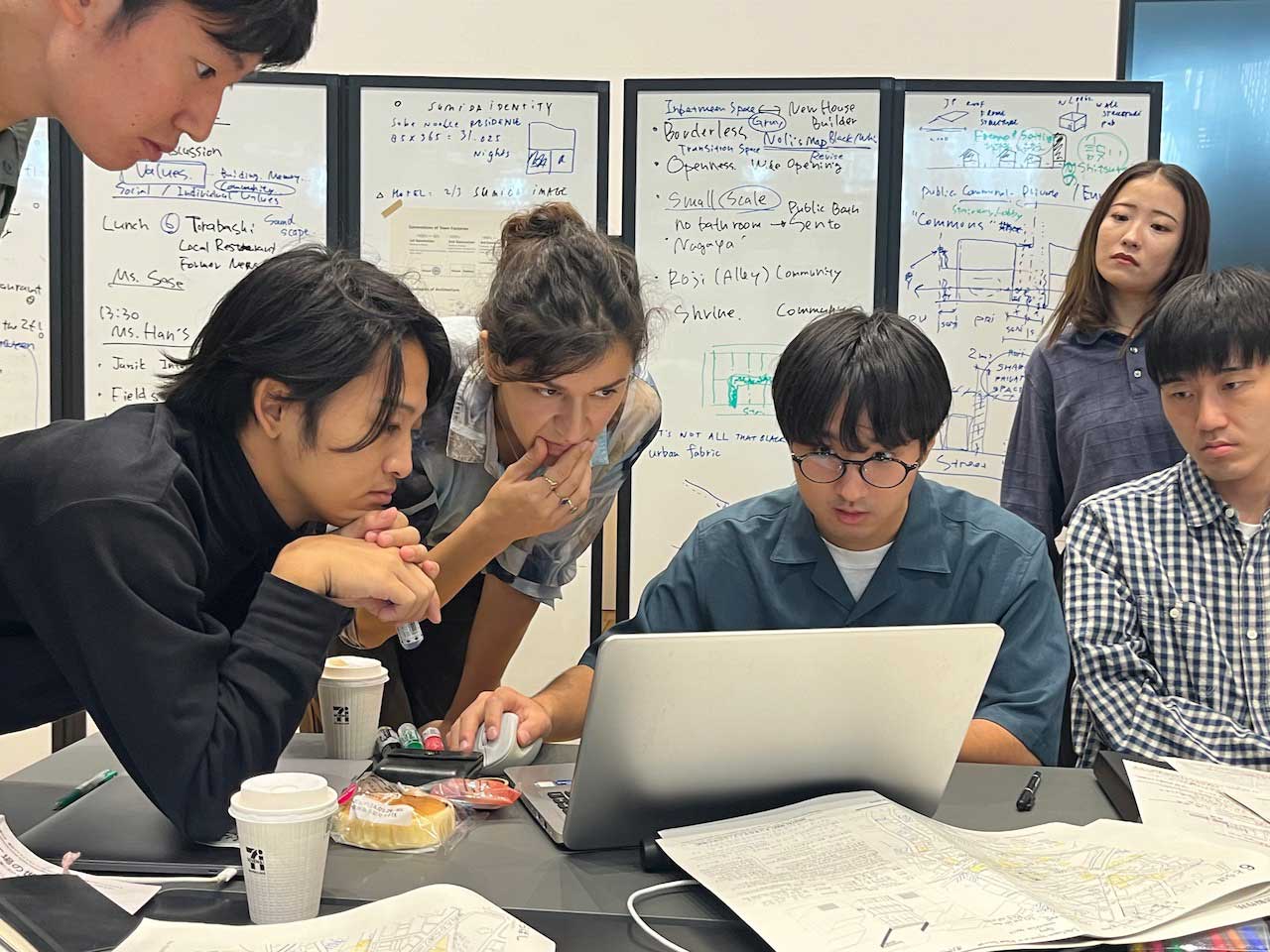
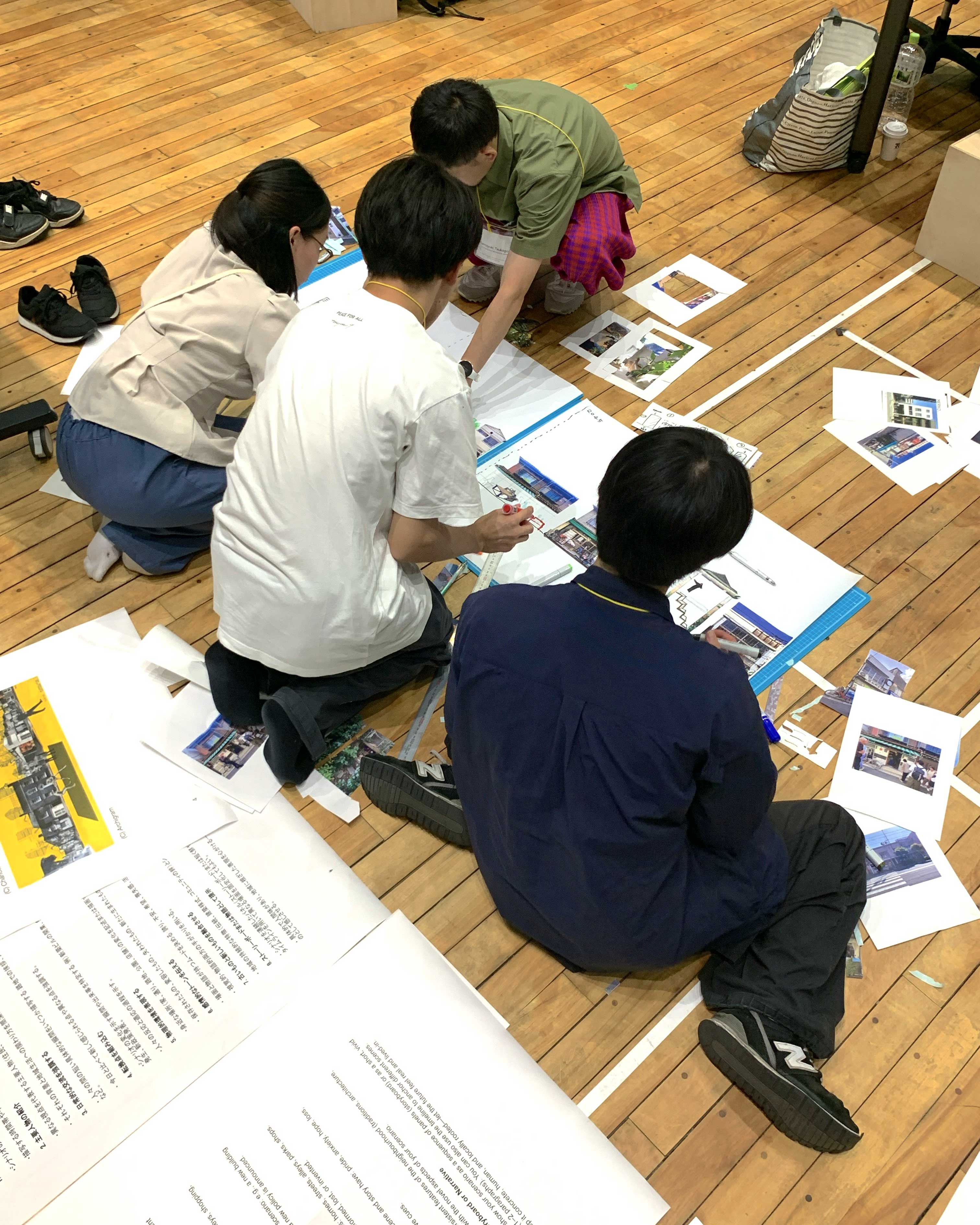
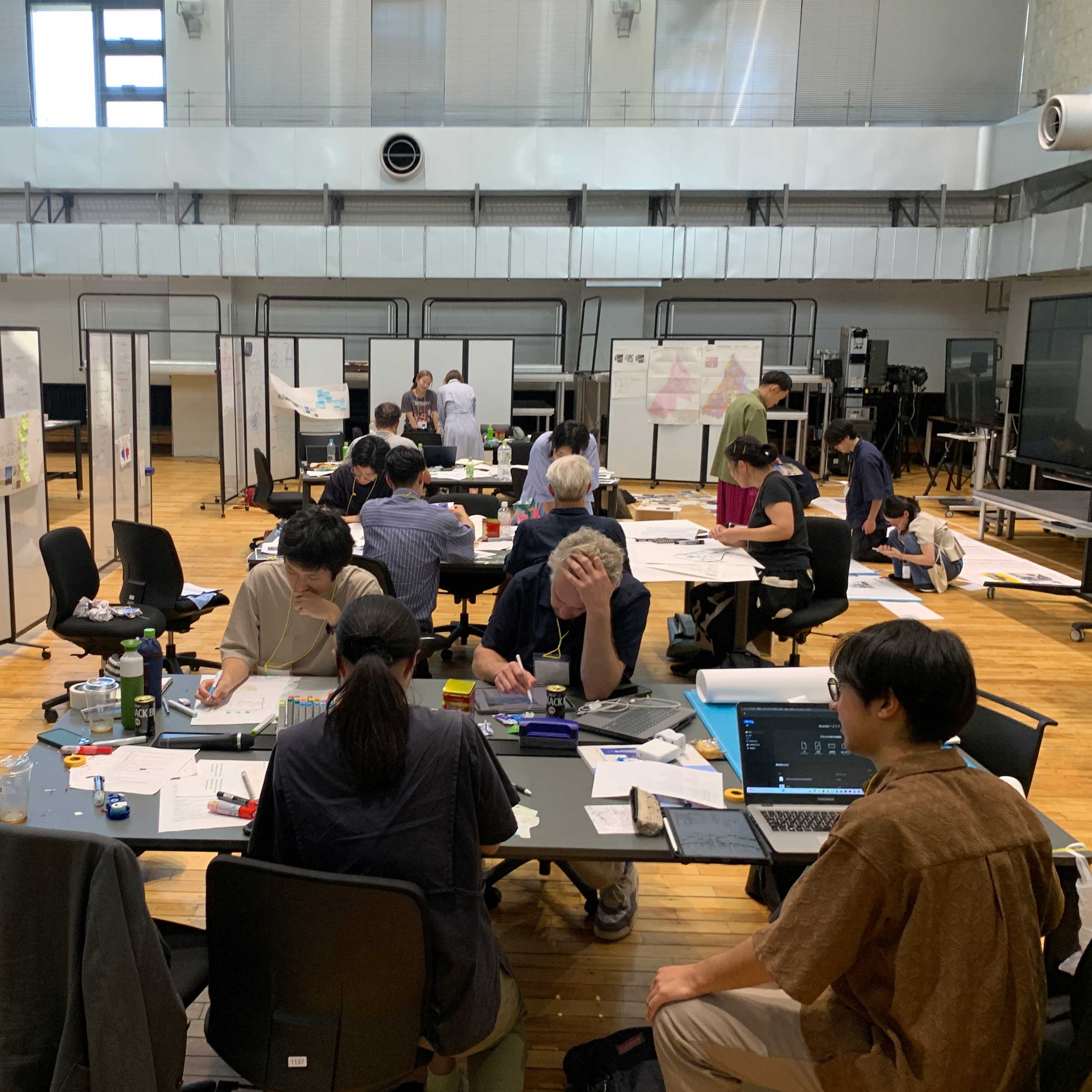
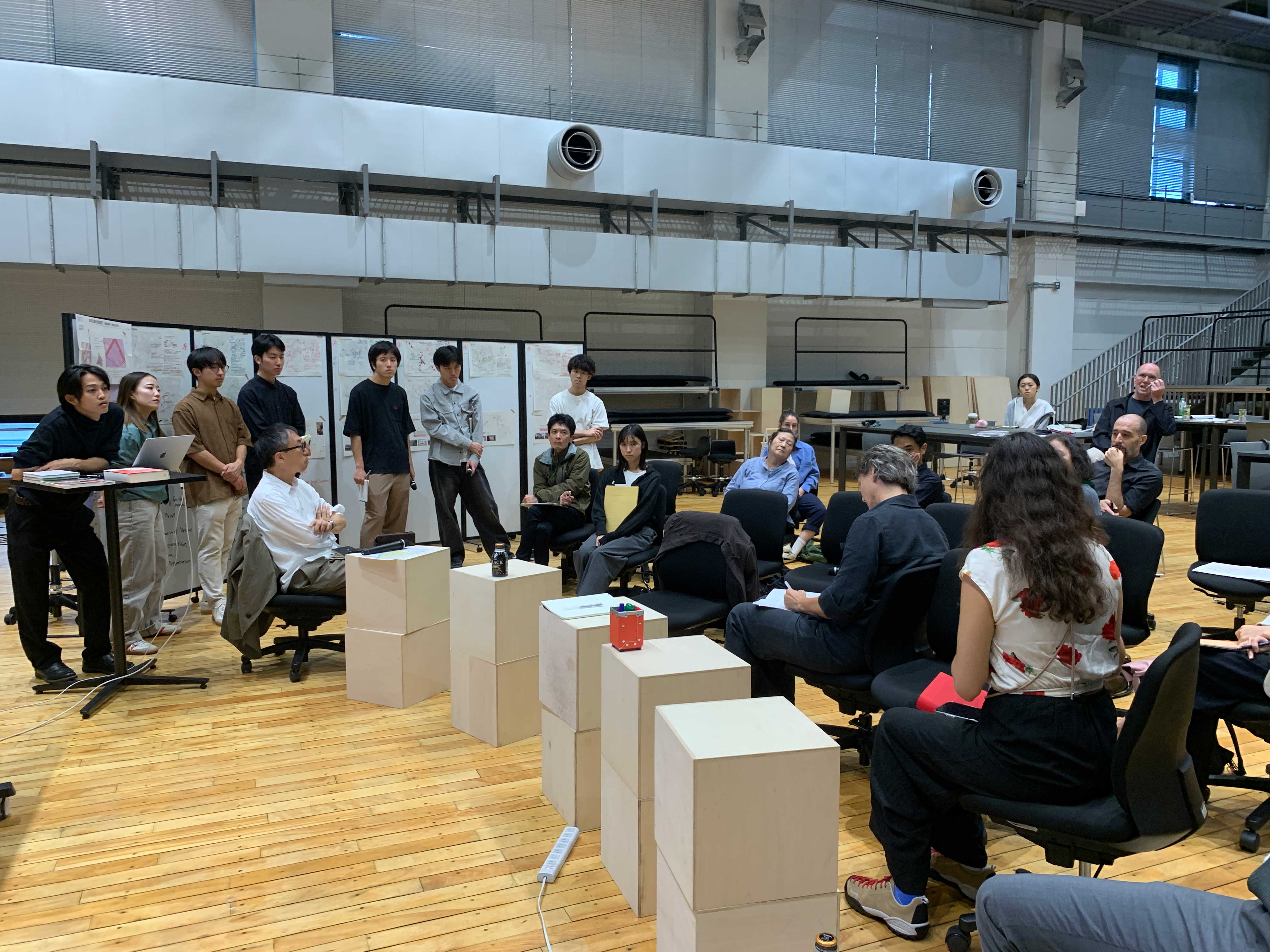
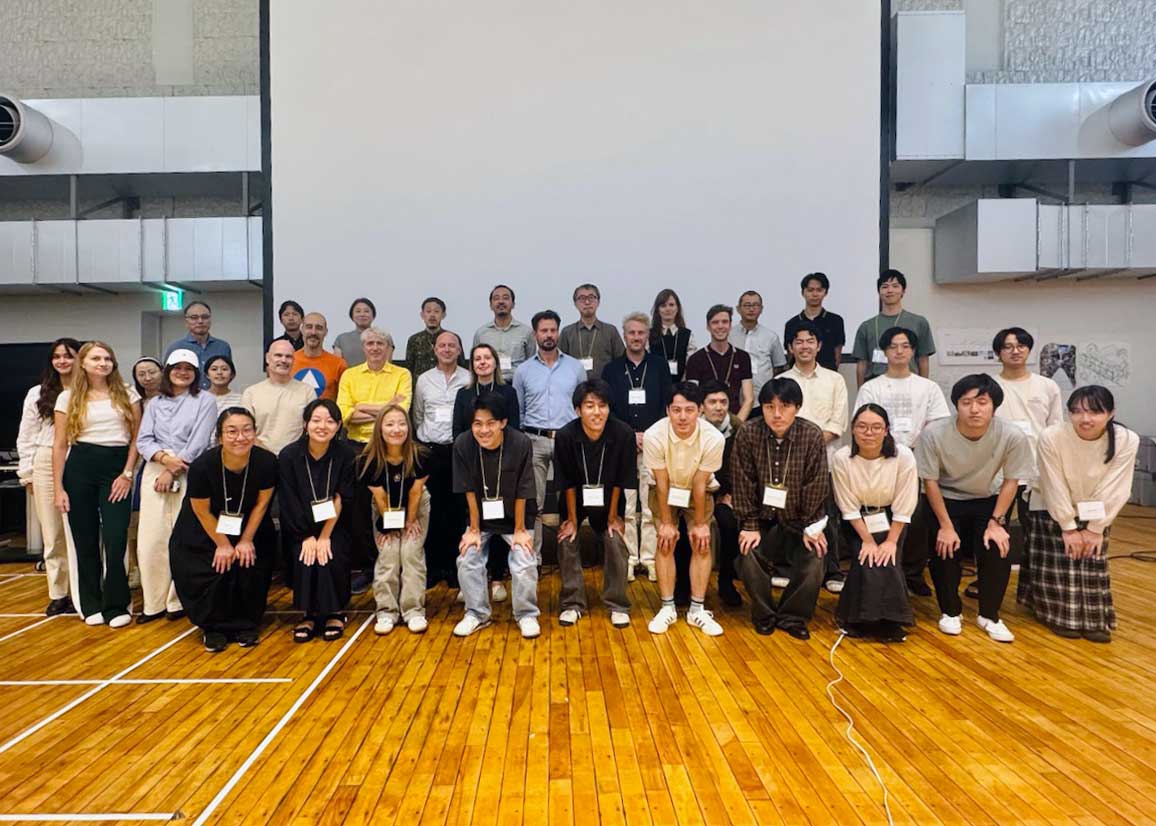
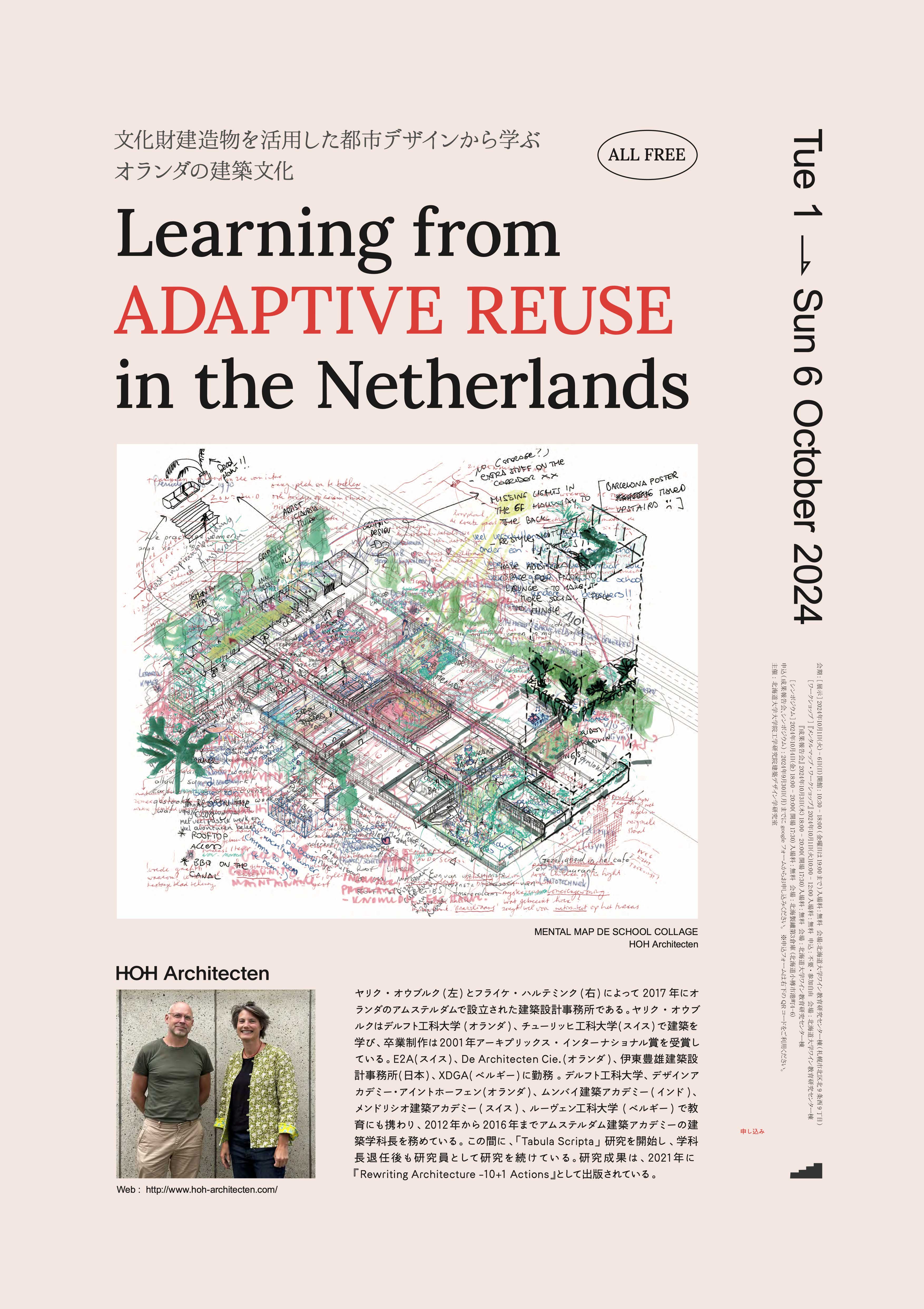
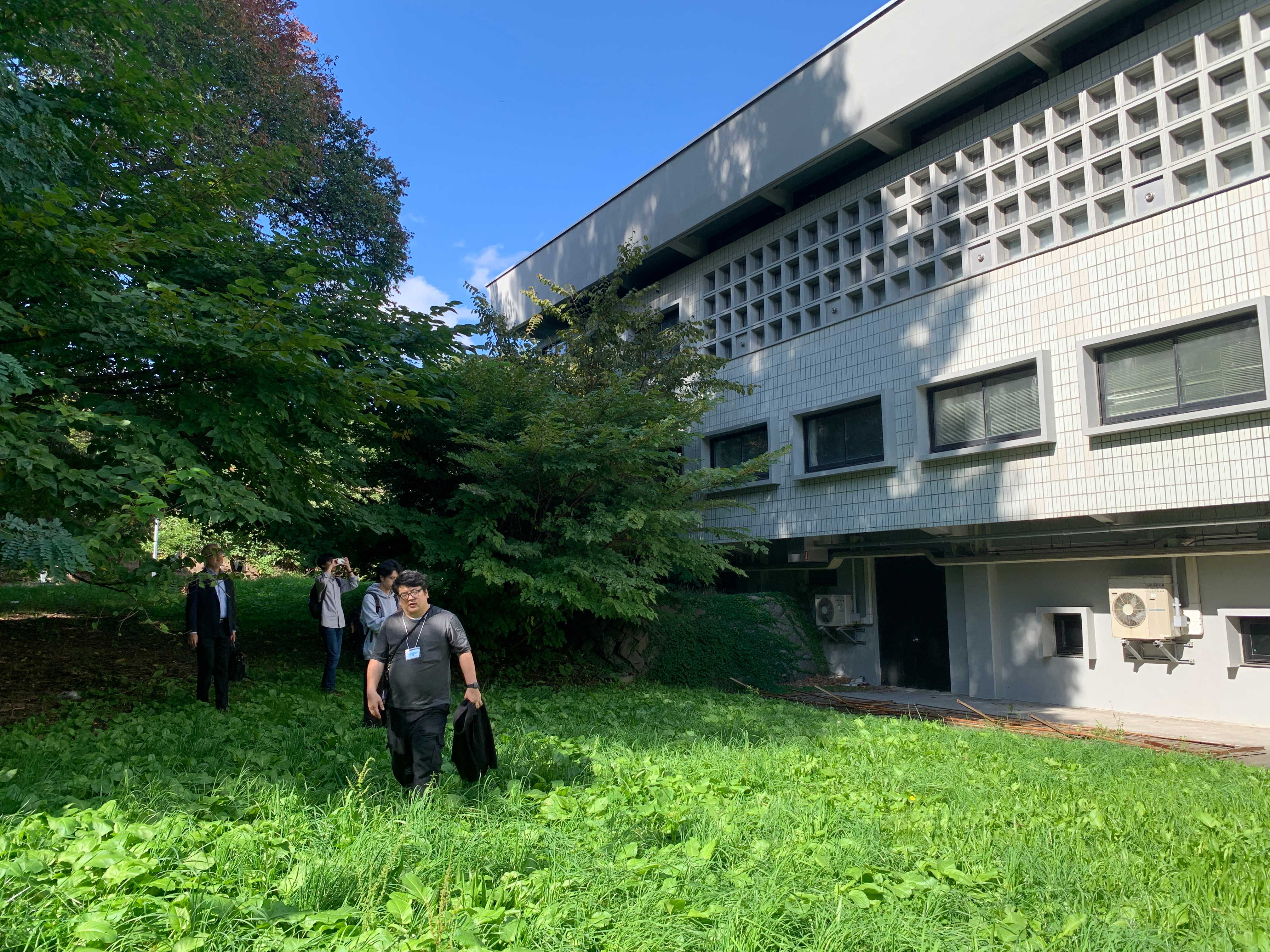
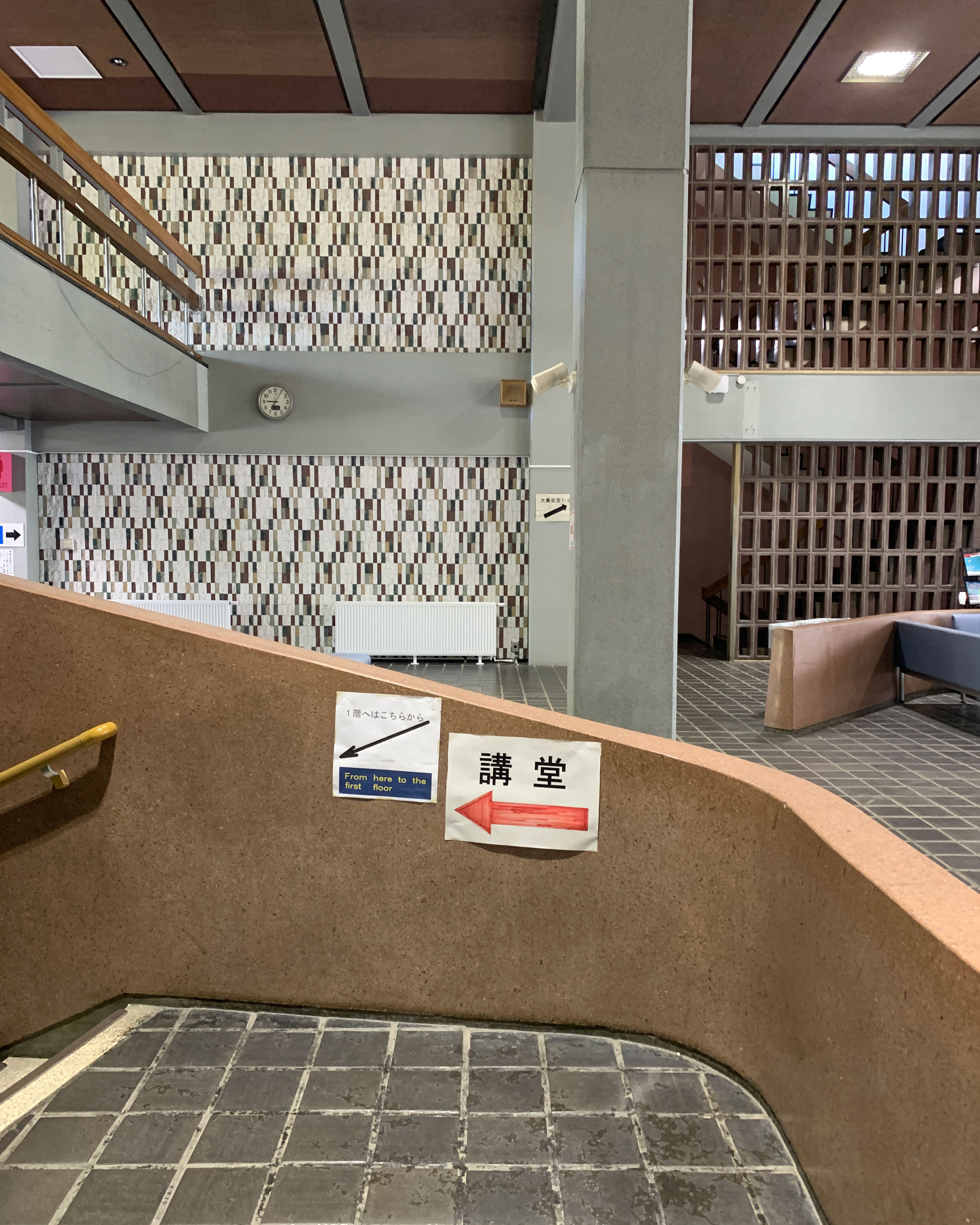
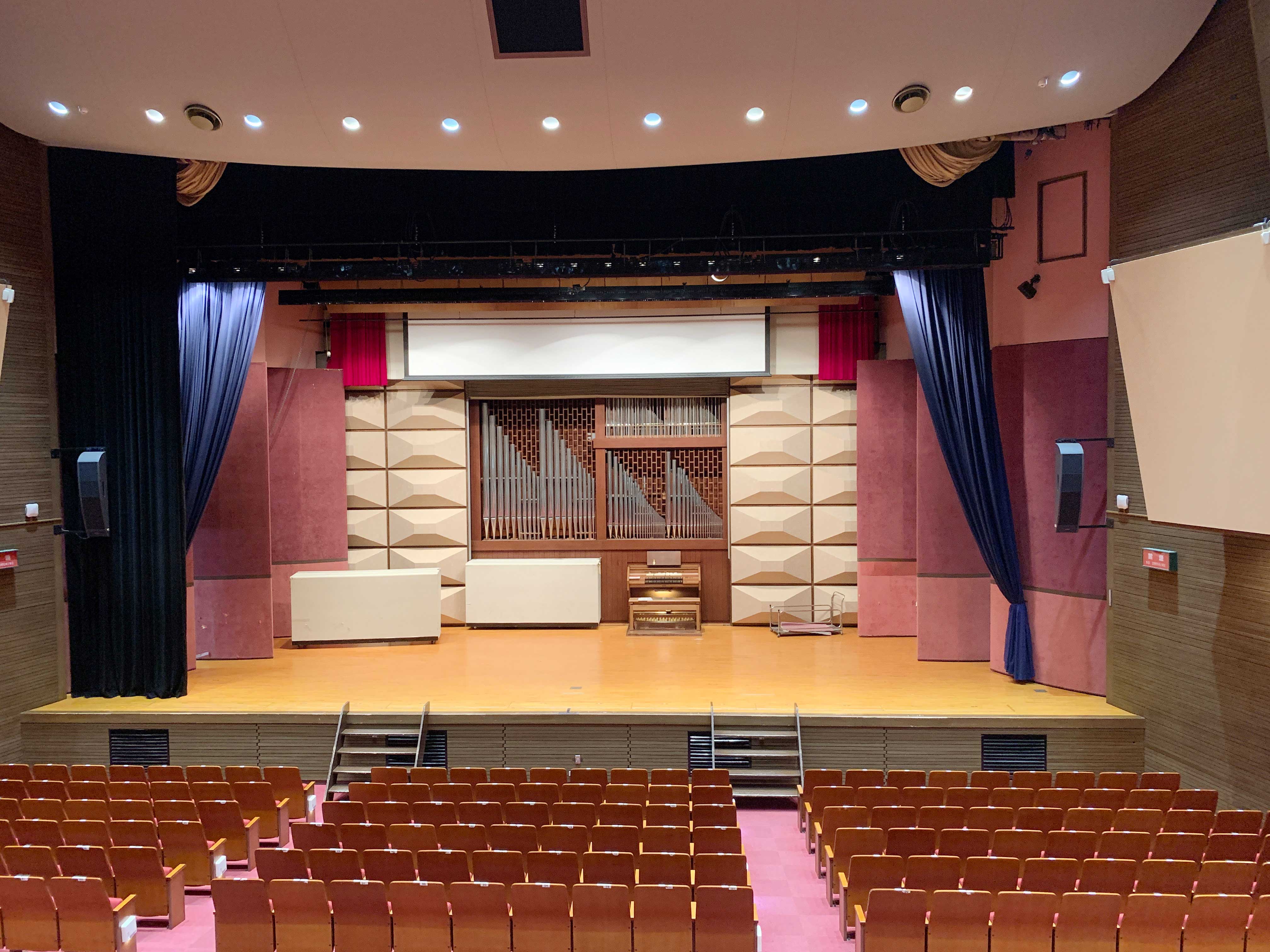
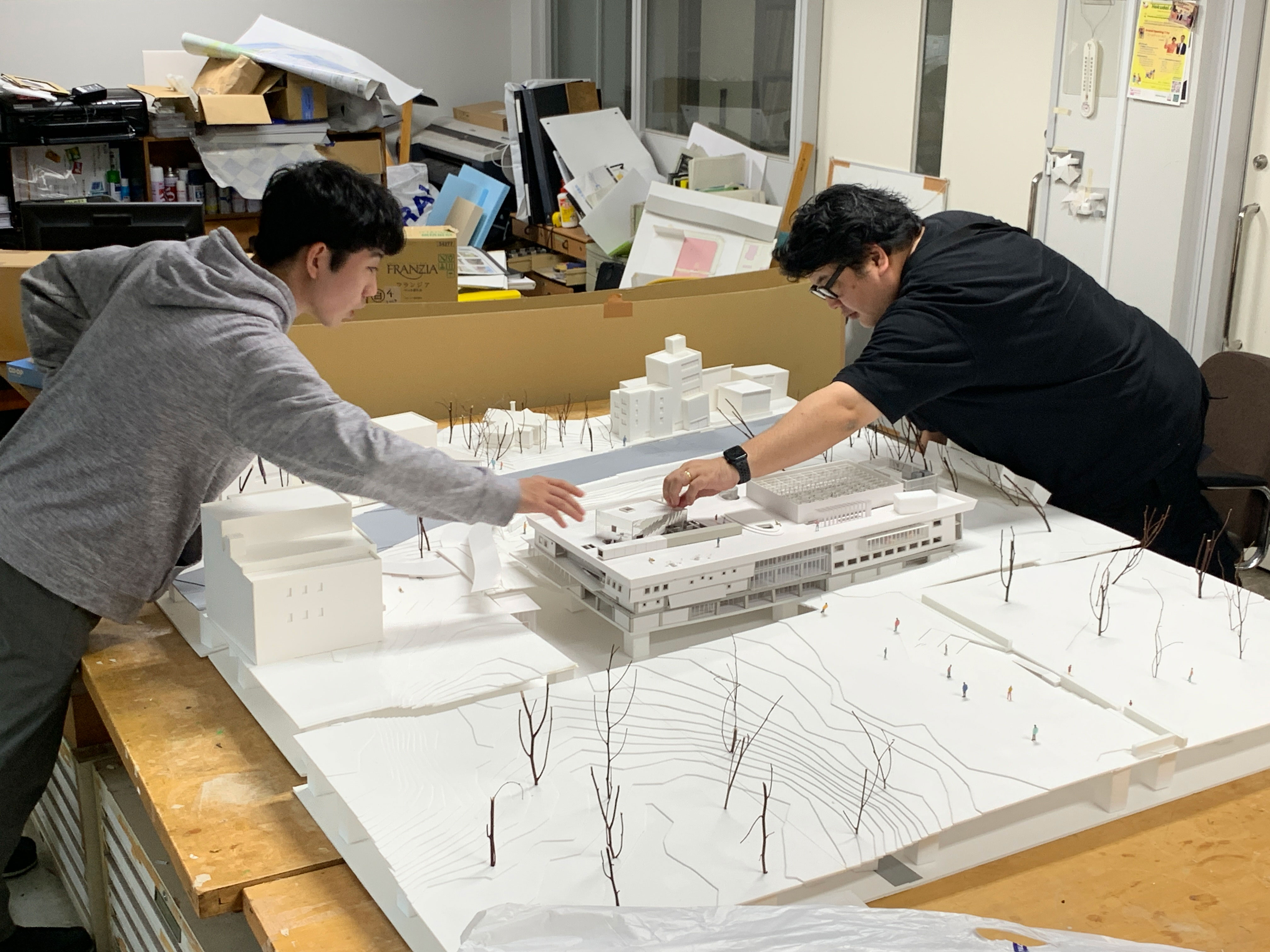
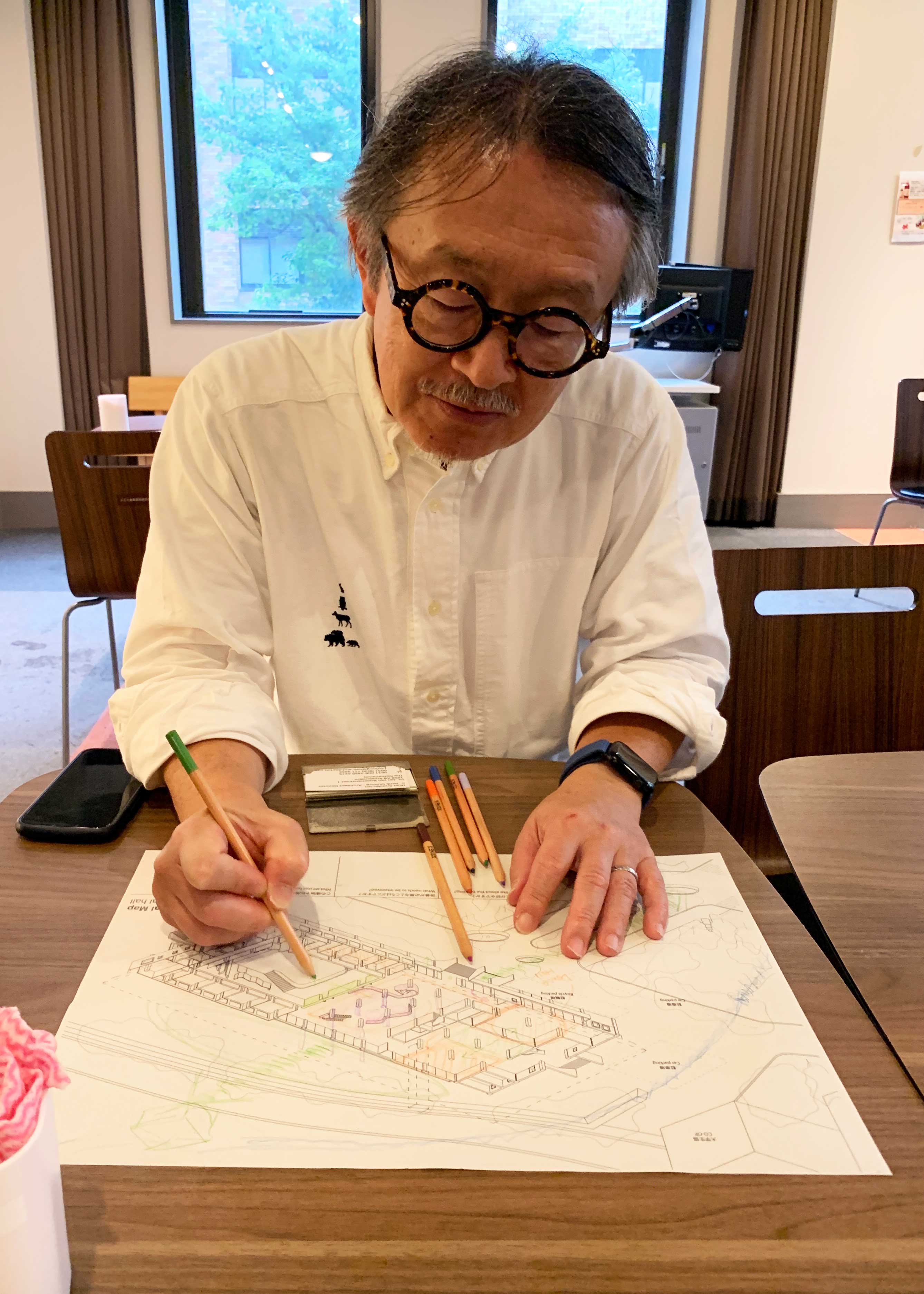
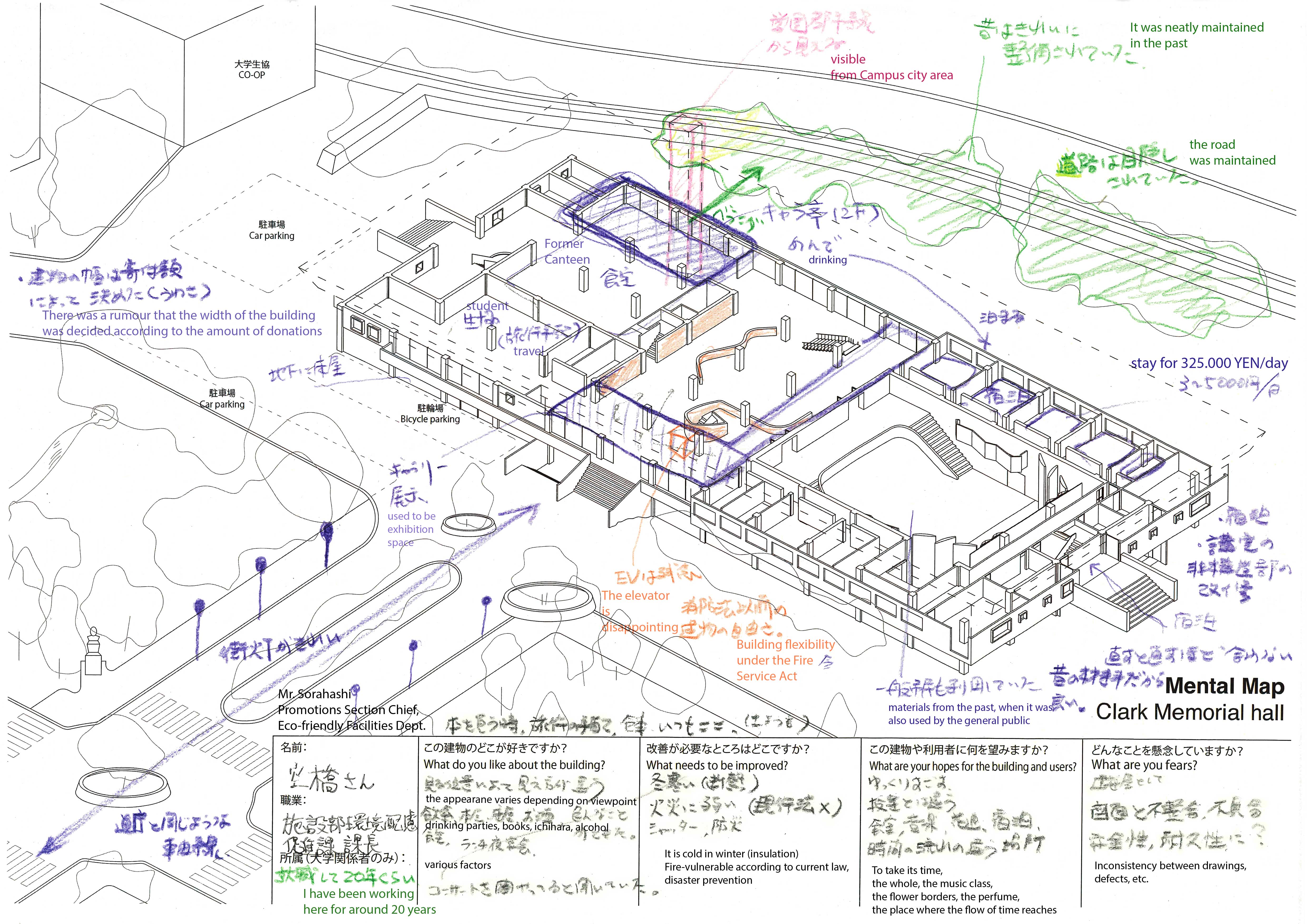
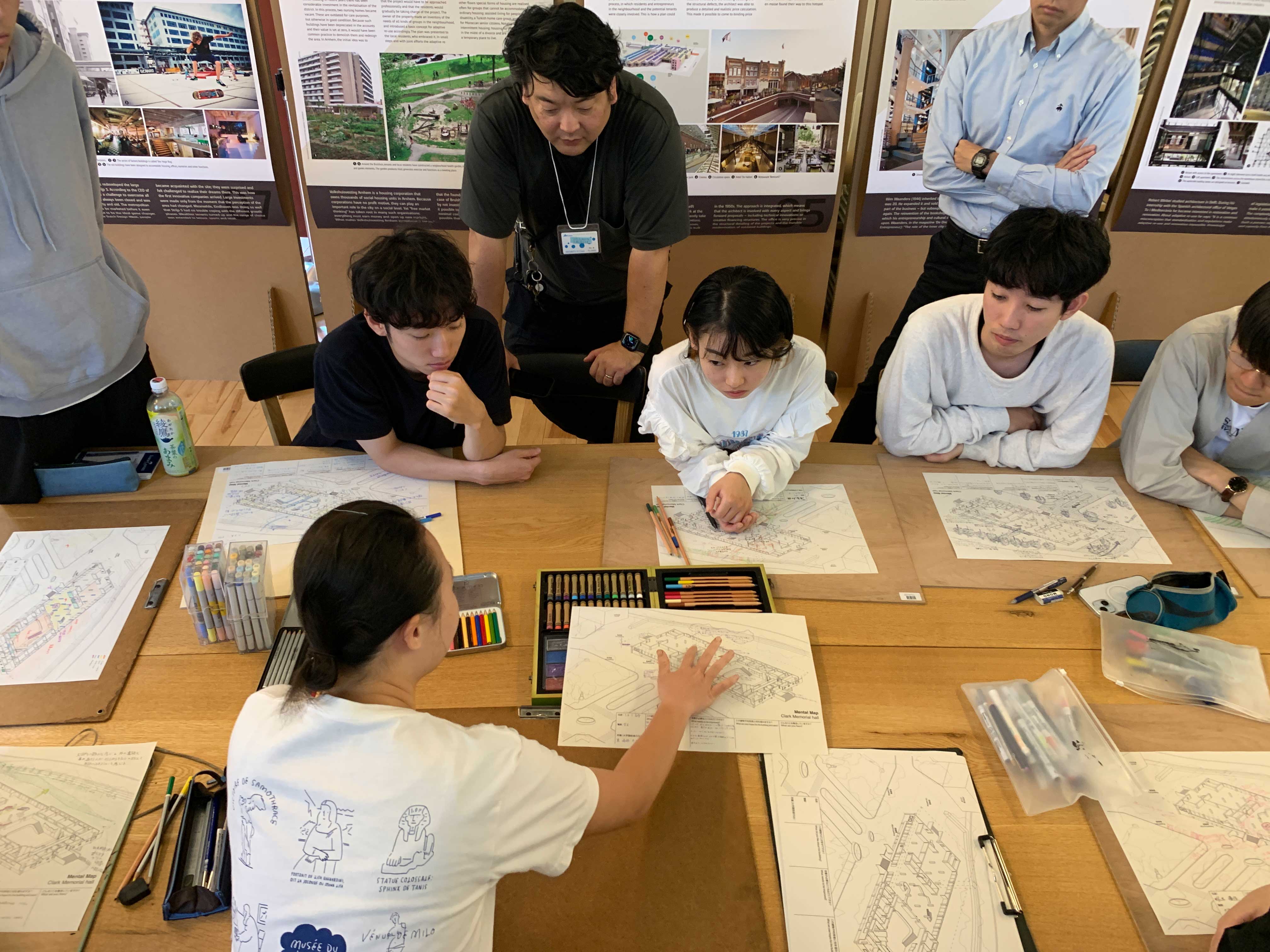
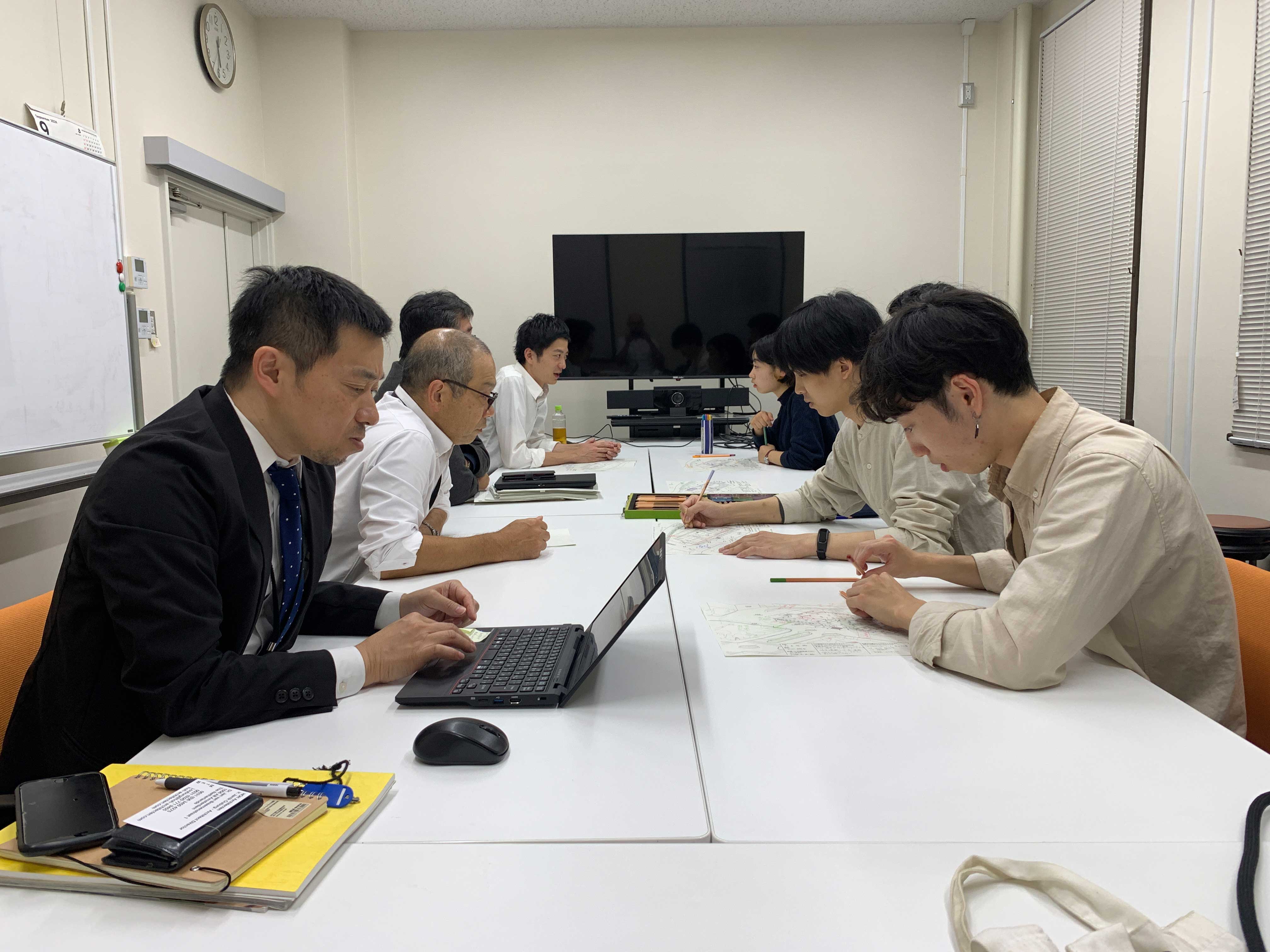
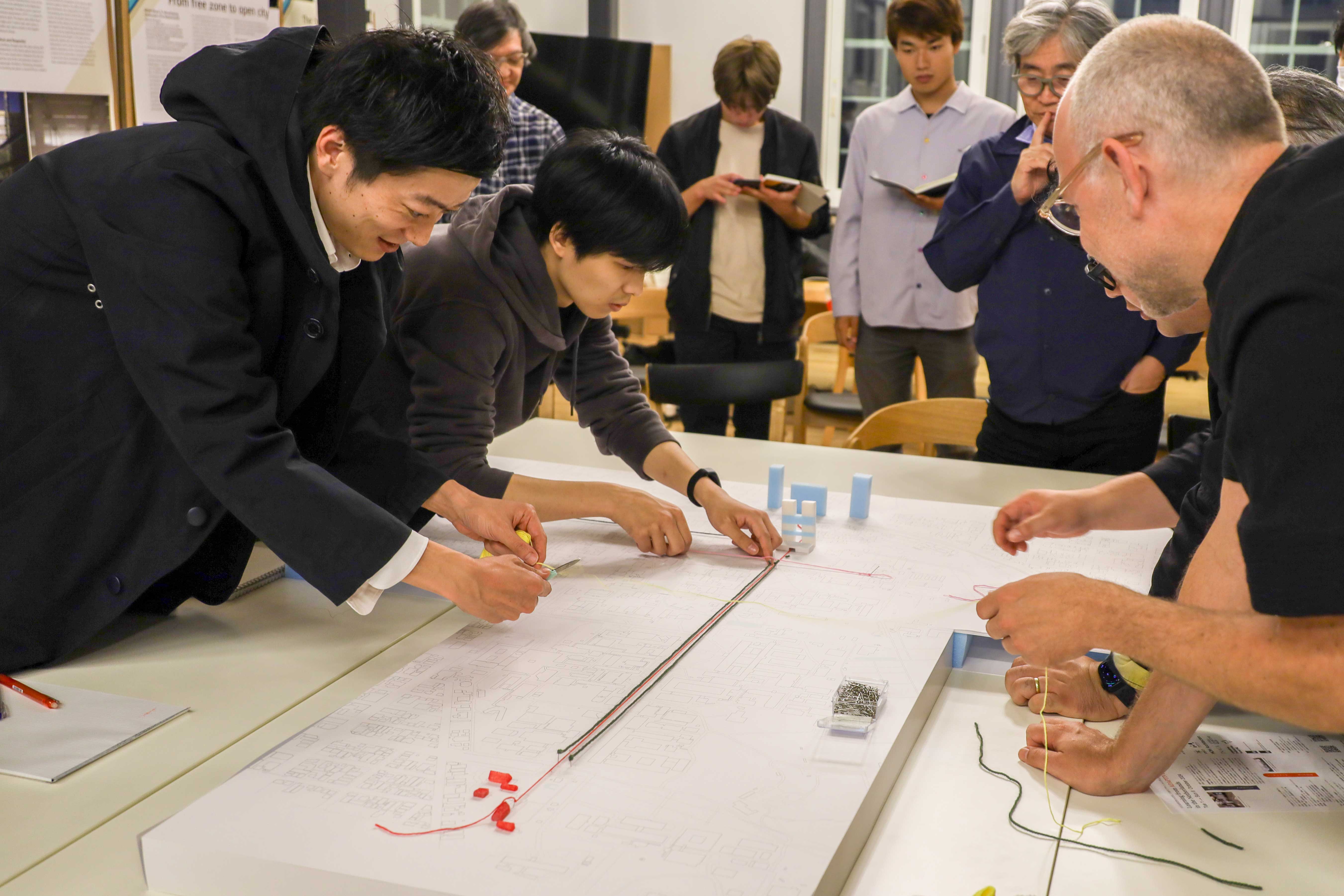
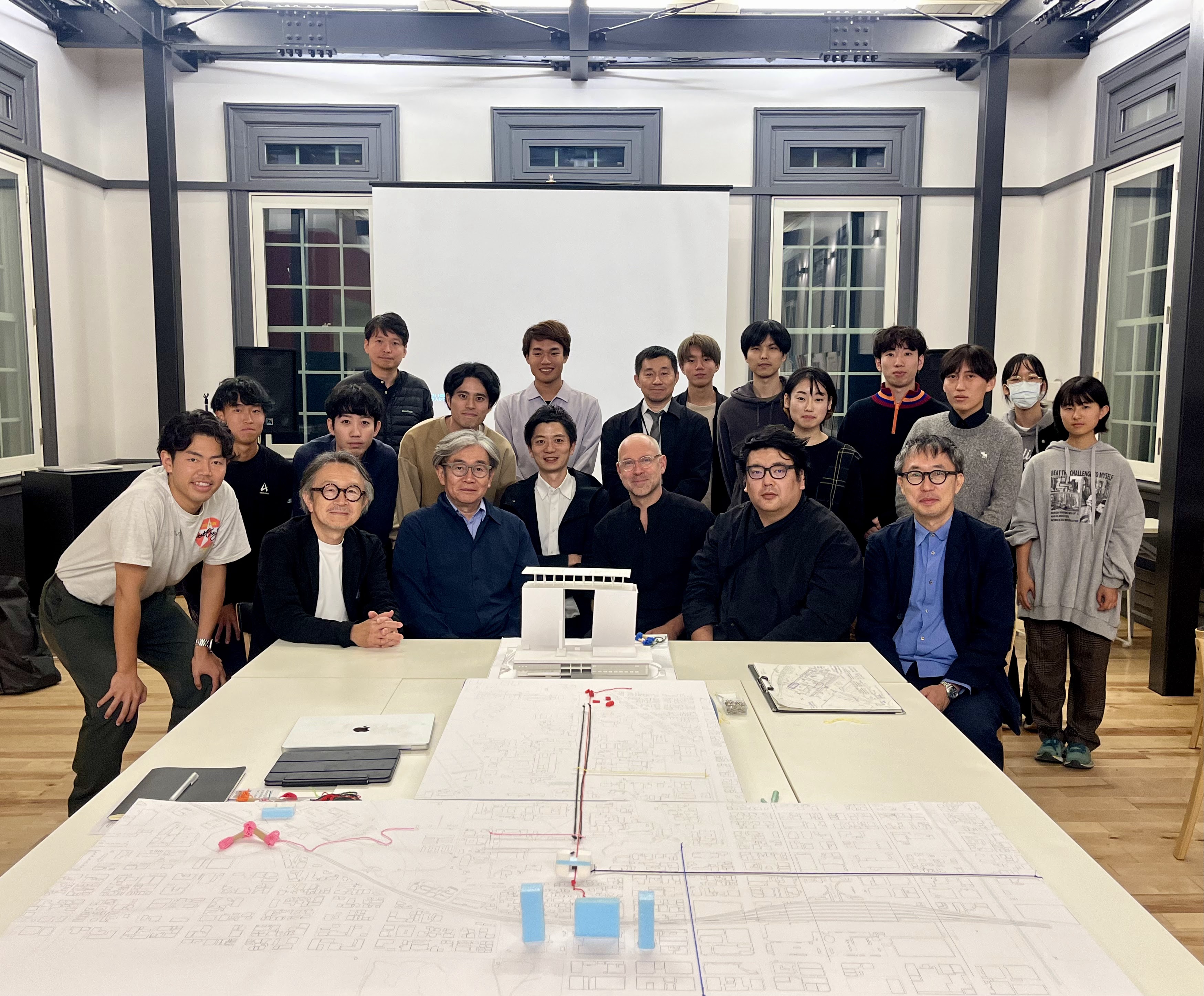
The research Re-Thinking Re-Use also shows that the built environment may appear objective, but that the experience of it is deeply personal and shaped by culture. To explore this, HOH Architecten, together with Japanese and Dutch partners, organised a series of workshops in Amsterdam, Tokyo, Sapporo and Kurashiki. Through Mental Maps (personal drawings and maps created by residents and users) existing values were uncovered that could serve as a foundation for the future development of buildings and neighbourhoods.
The findings of Re-Thinking Re-Use were presented in a publication and during a closing symposium in Tokyo and at the Dutch Pavilion at the Osaka World Expo 2025.
In collaboration with: Japan-Netherlands Architecture and Cultural Association (JNACA), Cultural Heritage Agency of the Netherlands (RCE), Chiba University, Hokkaido University, College van Rijksadviseurs.
Supported by: Creative Industries Fund NL, Nieuwe Instituut, DutchCulture and the International Heritage Cooperation, Isaac Alfred Ailion Foundation and the Embassy of the Kingdom of the Netherlands in Tokyo.